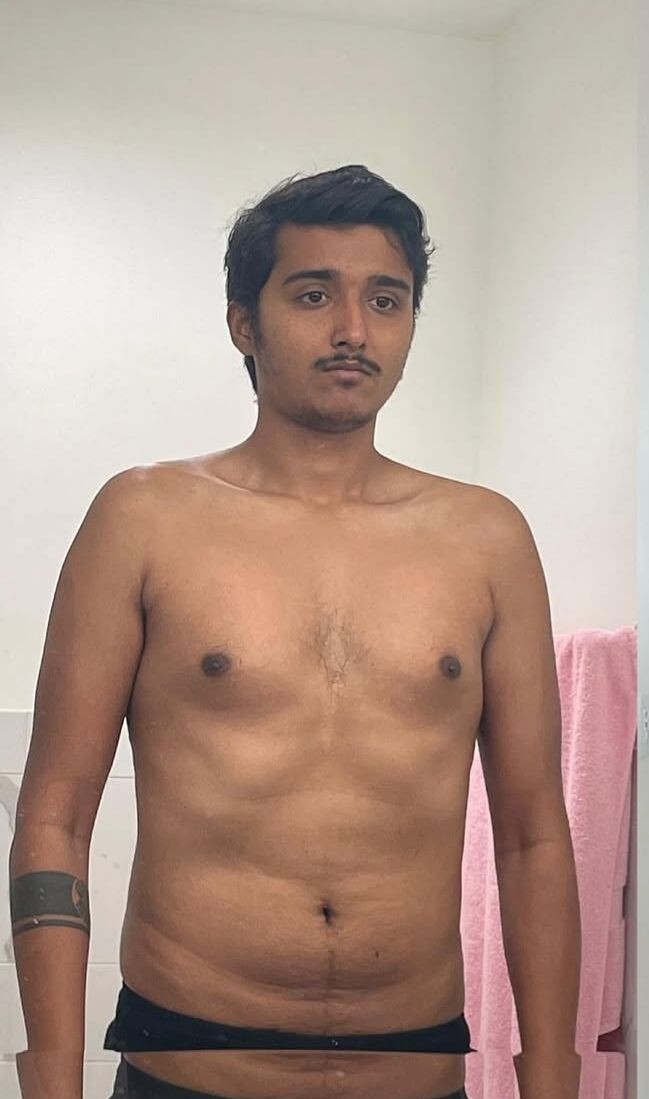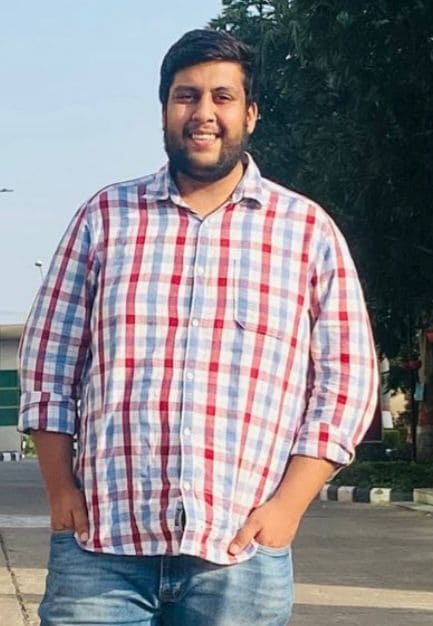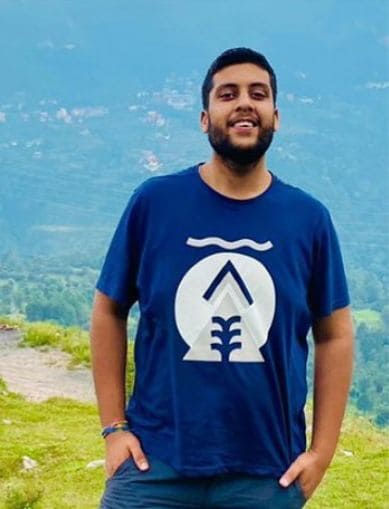
It's not laziness. It's not lack of motivation. Most grooms work hard — but they're using a system designed for someone with no deadline, no dress-code pressure, and no wedding-planning stress destroying their routine.
"Most grooms don't fail because they're out of shape.
They fail because they treat the most photographed moment of their life like a casual Tuesday gym session."
Every angle, every moment, every embrace. You will be in almost every frame. How you look that day becomes a permanent record.
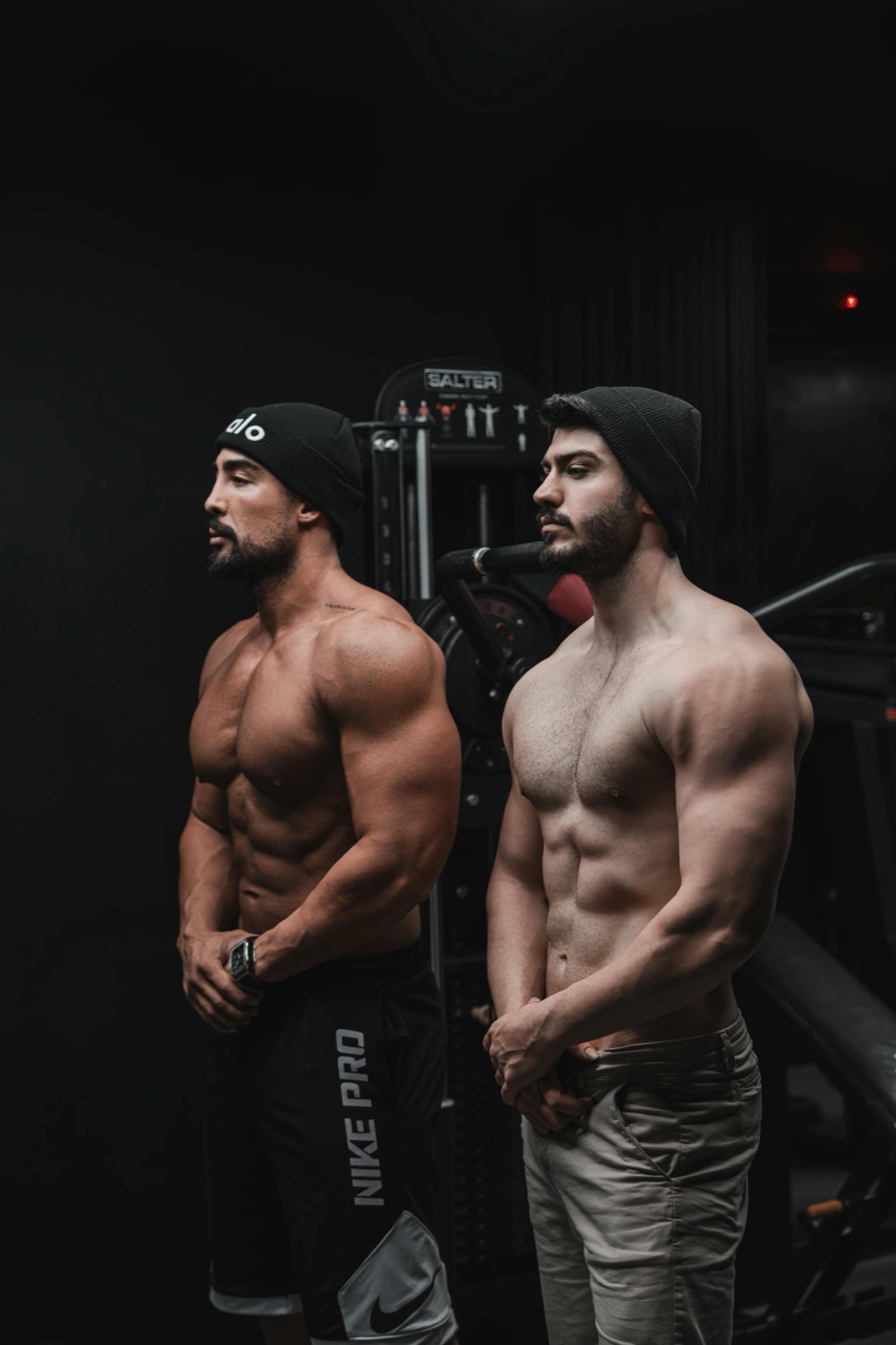
A well-tailored suit on a well-built body looks extraordinary. The same suit on a body that hasn't been worked on just looks… expensive.
Every other goal in life gives you another shot. The wedding date is set in stone. You either prepared, or you didn't.
These aren't excuses — they're structural problems with the approach most men take. Understand the pattern, then break it.
Most grooms mentally decide to "get fit before the wedding" the moment they get engaged. Then they spend 8 months "planning to start" — buying gym gear, downloading apps, watching YouTube videos. Real action begins only when the panic sets in, usually 8–10 weeks before the ceremony. That's not a transformation window. That's barely enough time to build visible momentum. The grooms who look remarkable on their wedding day started 5 to 8 months out, not 5 weeks.
YouTube workouts, AI-generated plans, gym trainer programs — virtually none of them are designed for a hard deadline. They're built on the assumption that you'll keep going forever. Progress can be slow, form-building phases can stretch for months, de-load weeks are standard protocol. But you don't have forever. You have a date. A wedding-specific program works backward from your wedding day, building a precise periodisation plan where every week has a defined purpose — fat loss phase, strength phase, peak week protocol, tuxedo-fit week.
Venue calls at 10 PM. Family politics. Budget arguments. Guest list drama. Catering tastings that turn into binge sessions. Chronic elevated cortisol from stress is one of the most underrated killers of physical transformation. It increases fat storage around the midsection, disrupts sleep, kills testosterone, and makes the body cling to weight. The average engaged man is running on 5–6 hours of broken sleep in the final 3 months — the exact window where they're also trying hardest to lose fat. No program accounts for this. A real system manages it.
Motivation is high in January. It's high after the engagement. It's not high on the Wednesday night when you've been on calls since 9 AM and your future in-laws just changed the seating plan again. Without external accountability, the gym becomes optional the moment life gets hard. And life always gets hard during wedding planning. Self-accountability sounds good in theory — but study after study shows that men with a structured coaching check-in are 3–4x more likely to complete a fitness programme than those going alone. The wedding window is too short to rely on willpower.
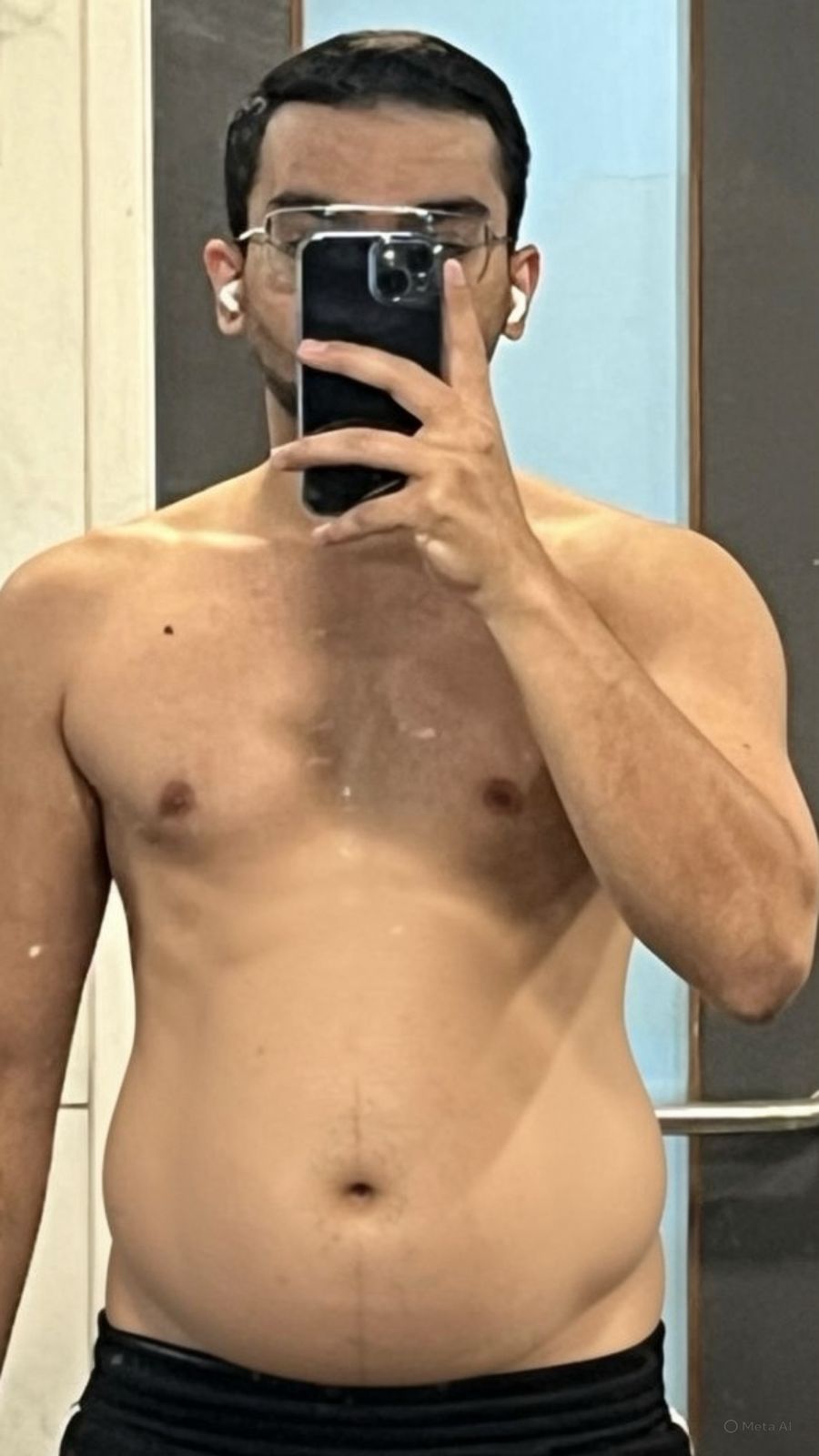
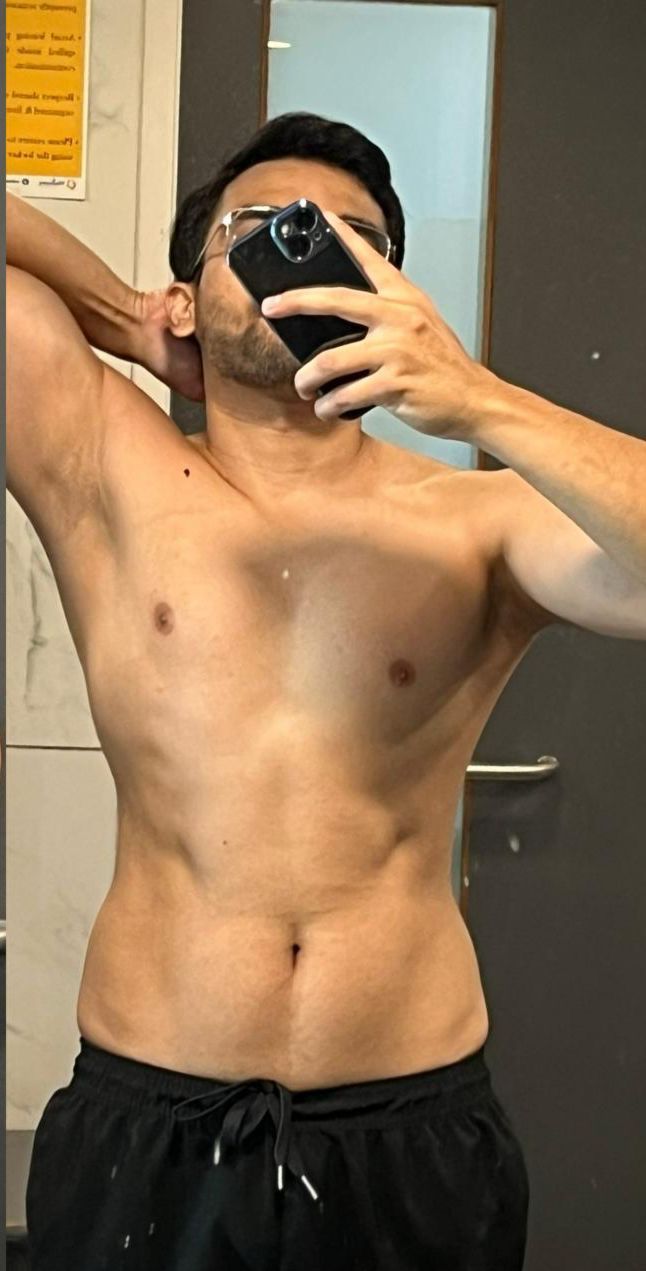
"I just need to lose 8 kg" is the most common goal we hear. The scale is the wrong metric for looking good in a suit. A groom who loses 8 kg of muscle and fat through crash dieting will look smaller but still soft — the suit will hang, shoulders will look narrow, the chest will lack presence. A groom who loses 5 kg of fat while maintaining or building shoulder, chest, and back muscle will look entirely different — sharp jaw, wide frame, suit sitting perfectly on broad shoulders. The goal is body composition, not just body weight.
Here's the sequencing mistake that costs hundreds of thousands of grooms: they get the suit fitted in month two and pick up the gym membership in month four. By the time the body actually changes, the suit either needs re-alteration (expensive, not always possible) or it fits poorly by wedding day because the changes didn't happen the way they planned. A smart groom gets a rough suit fitting early, builds the body he wants, then does the final suit fitting 4–6 weeks out — locking in the physique at its best, permanently stitched into the fabric.
The same calendar. Two completely different outcomes. Here's how the months unfold for most men — and how they should.
Buys a gym membership. Tells everyone he's "getting serious." Skips the gym 4 times in the first week. Still hasn't hired a trainer or built a plan.
Body composition assessed. Wedding date confirmed. A precise 5-month programme built backward from that date. Nutrition plan calibrated to current lifestyle.
Goes to gym 2x a week. Tries various diets. Wedding planning stress derails progress repeatedly. No visible change. Starts to quietly give up on the idea.
Progressive overload tracked weekly. Waist down 6–8 cm. Shoulders visibly wider. Weekly check-ins keeping him on track through every stressful week.
Realizes time is almost up. Starts starving himself, doing 2-a-day workouts, cutting carbs completely. Loses muscle, feels weak, looks gaunt. Suit looks worse.
Body is already transformed. Final suit fitting locks in the physique. Peak week protocol begins — strategic carb loading, water management, looking his absolute best on the day.
These are the three most common things grooms say after their wedding — when it's already too late.
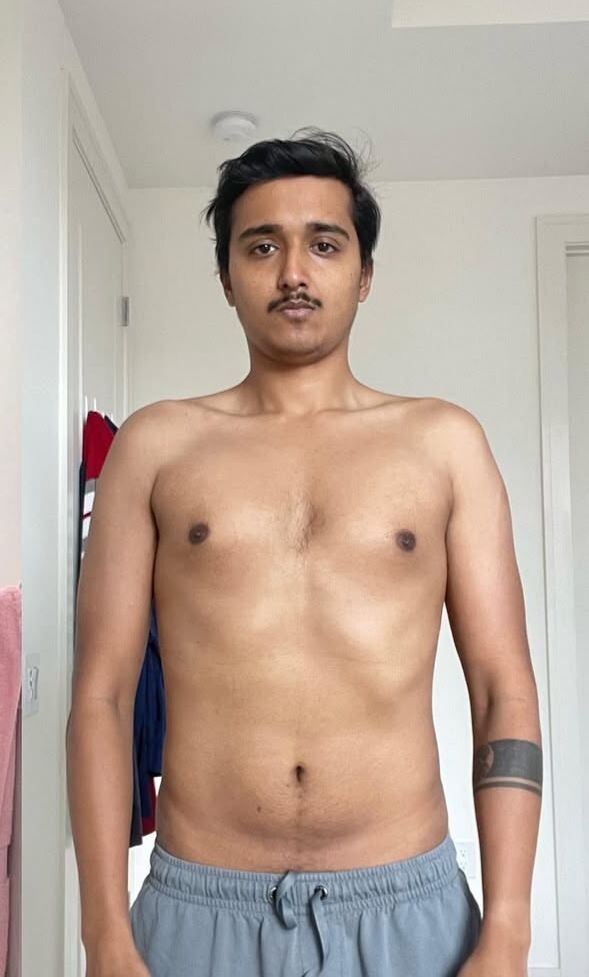
"I told myself I had time. I had 9 months. And somehow I still ended up looking exactly the same as when we got engaged. The photos still bother me."
"I lost weight but I looked smaller, not better. My shoulders looked narrow in the sherwani. I wish someone had told me fat loss and body transformation are two different things."
"I was so focused on the venue, the food, the family drama — the gym became the first thing to go every time life got stressful. Which was basically every week for six months."
What most grooms try
What actually gets results
Every element of GroomFit is engineered around one single constraint — you have a fixed date, you need a peak physique, and life won't stop being stressful just because you're trying to transform.
Your wedding date is the anchor. Every phase, every week, every session is mapped backward from that day — fat loss, strength, peak, taper.
We don't just track weight. We track shoulder width, chest depth, waist circumference — the metrics that make a suit look extraordinary.
An Indian diet plan that works around wedding functions, taste-testing dinners, late nights, and travel — not a plan that falls apart the moment real life happens.
Weekly check-ins, progress photos, biometric tracking, and a coach who keeps you consistent even when motivation has completely left the building.
Grooms with a structured, deadline-specific programme are 8x more likely to achieve visible transformation before their wedding day.
Your Turn
The window is open right now. Every week you wait is a week of compound progress you'll never get back. The grooms who look remarkable on their wedding day — they started today.